Breaking the Stress–Pain Cycle: Why Stress and Body Pain Often Reinforce Each Other
Many people have heard that stress can contribute to body pain.

When we experience stress, our muscles may become more tense, our recovery may become less effective, and our resilience against physical discomfort may decrease. Over time, these changes can contribute to recurring aches, stiffness, and other forms of physical discomfort.However, the relationship does not only flow in one direction.Body pain itself can become a source of stress.Recurring discomfort may create frustration, worry, reduced confidence in movement, disrupted sleep, and ongoing mental fatigue. These effects can increase stress levels, which may then contribute to further tension and discomfort.This creates what is often known as a stress–pain cycle.Stress contributes to pain.Pain contributes to stress.Each reinforces the other.Within The OmniEase Method, breaking this cycle is one of the key steps toward achieving greater physical ease and reducing reliance on ongoing pain-relief interventions.
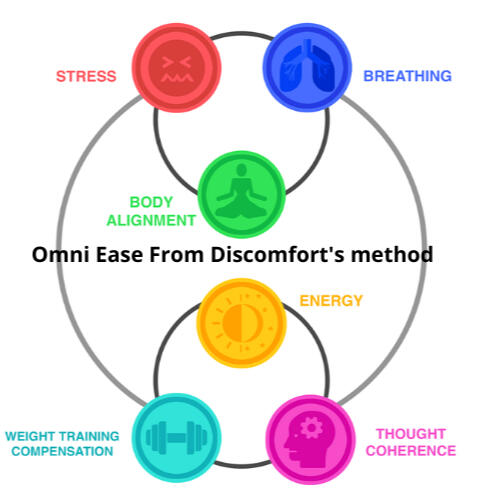
If you are new to the Omni Ease From Discomfort framework, we recommend starting with the overview article first.
The Common Mistake When Addressing StressWhen people recognize that stress may be contributing to their discomfort, they often focus primarily on stress-management techniques.Examples may include:
-Relaxation exercises
-Breathing exercises
-Meditation
-Temporary distractions
-Short-term stress relief activitiesWhile these approaches may be helpful, they do not necessarily address the factors that are continuously generating stress in the first place.Imagine trying to empty a bucket while water is still flowing into it.You may temporarily reduce the amount of water present, but unless the source of the inflow is addressed, the bucket will continue filling.Similarly, effective stress management may involve more than simply reducing stress after it appears. It may also involve identifying and addressing the factors that continuously contribute to stress, tension, reduced recovery, and reduced resilience.Below are some areas worth examining.1. Sleep-Related Factors

Sleep is one of the body's most important recovery mechanisms.When sleep quality is compromised, resilience against both physical and emotional stress often decreases. Recovery becomes less efficient, and existing pain or tension may become more noticeable.Several sleep-related factors may contribute to chronic stress.1a. Sleep EnvironmentThe environment in which we sleep can influence the quality of our recovery.Examples may include:
-Excessive light exposure
-Excessive noise
-Frequent interruptions
-Uncomfortable sleeping conditions
-Electronic devices that contribute to overstimulationEven seemingly small environmental factors can accumulate over time and influence recovery quality.1b. Difficulty Disengaging During SleepSometimes the issue is not the sleeping environment itself, but the inability to mentally or emotionally disengage.Examples may include:
-Unresolved thoughts
-Emotional attachment to ongoing situations
-Excessive mental stimulation
-Internal tension
-Difficulty switching off after a demanding dayWhen the body is physically in bed but the mind remains highly engaged, recovery may be less effective.1c. Sleep TimingSleep quality is not determined solely by duration.Other factors may include:
-Inconsistent sleeping hours
-Insufficient sleep quantity
-Irregular sleep patterns
-Frequent disruption of recovery rhythmsImproving sleep timing and consistency may significantly improve resilience against stress and discomfort.2. Food and Nutrition-Related Factors
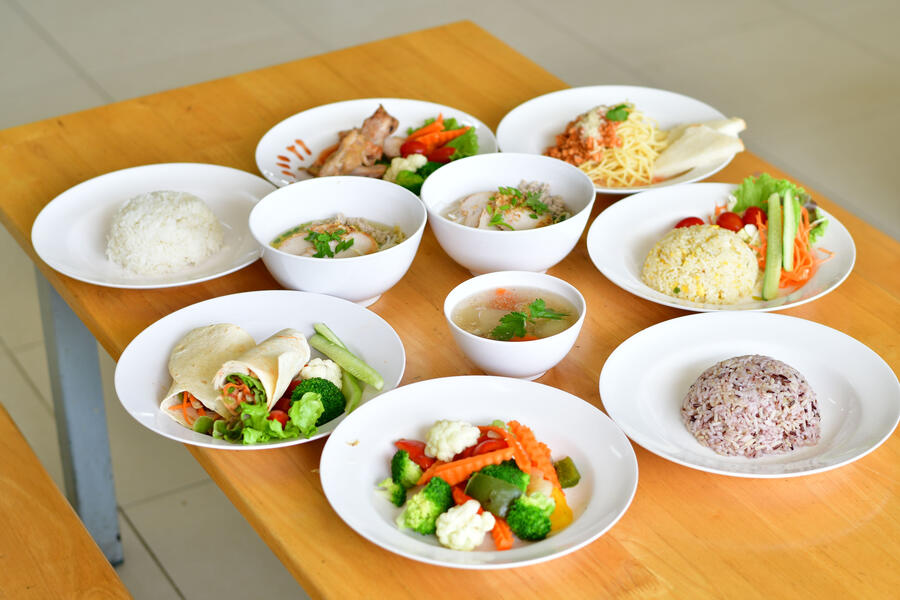
Food and nutrition are often associated with fitness goals or body composition. However, they also play an important role in stress resilience and recovery.Even when food intake appears adequate, factors affecting hydration, digestion, and nutrient utilization may influence how effectively the body recovers from ongoing stress.2a. HydrationHydration involves more than simply drinking water.Factors worth considering may include:
-Inadequate water intake
-Excessive water intake
-Electrolyte balance
-Hydration habits
-Water qualitySuboptimal hydration may contribute to fatigue, reduced recovery, and decreased resilience.2b. DigestionThe ability to consume food is different from the ability to digest it effectively.Factors may include:
-Food intolerances
-Digestive discomfort
-Poor eating habits
-Gut health challenges
-Digestive efficiencyIf digestion is compromised, recovery may also be affected.2c. Nutrient AssimilationEven when nutrition appears adequate on paper, the body must still absorb, retain, and utilize those nutrients effectively.Factors affecting nutrient assimilation may influence:
-Recovery capacity
-Energy levels
-Physical resilience
-Stress toleranceThe body can only benefit from the nutrients it is able to effectively use.3. Lifestyle-Related Factors
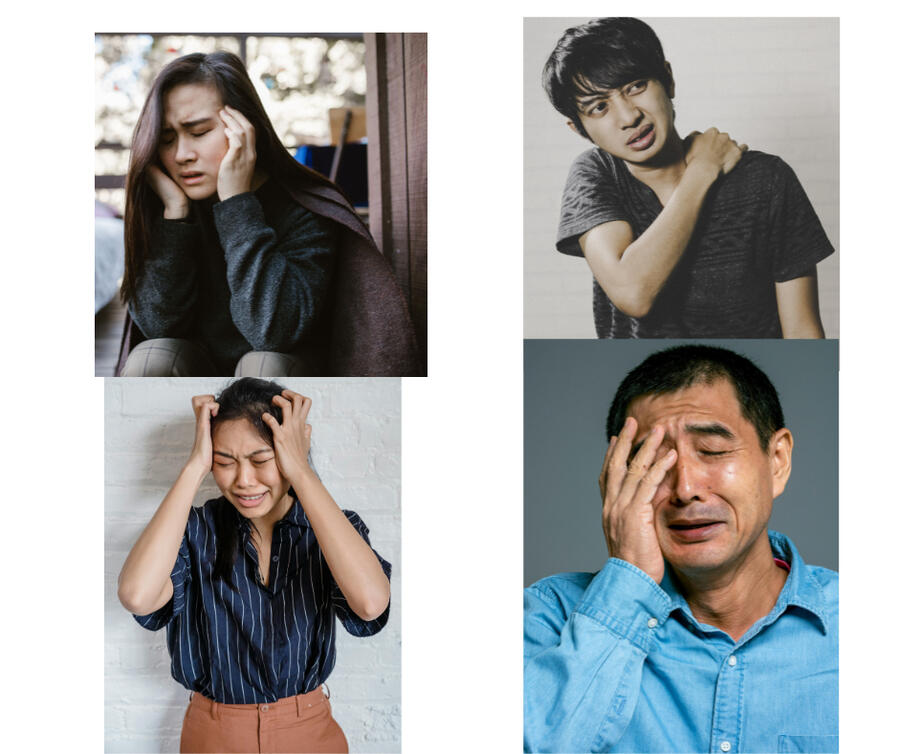
Lifestyle factors are often among the most visible sources of chronic stress.However, they can also be among the easiest to normalize and overlook.3a. Emotional StressMany forms of emotional stress may contribute to ongoing tension within the body.Examples include:
-Family challenges
-Relationship difficulties
-Career pressures
-Social expectations
-Interpersonal conflicts
-Unresolved emotional experiencesEven when these stressors are not consciously occupying our attention, they may continue influencing our well-being.3b. Physical Training StressExercise is often beneficial.However, recovery and adaptation occur only when the balance between effort and recovery is appropriate.Factors worth examining may include:
-Excessive training volume
-Excessive training intensity
-Excessive training frequency
-Insufficient recovery
-Physical overexertionMore training is not always better training.3c. Daily Life StressNot all stress comes from major life events.Many smaller sources of ongoing stress can accumulate over time.Examples include:
-Decision fatigue
-Mental overload
-Environmental demands
-Lack of clarity
-Unresolved responsibilities
-Constant overstimulationIndividually, these stressors may seem minor. Collectively, they can create a significant burden.3d. Chronic FatigueSometimes the body has simply been carrying stress for too long.Chronic fatigue may involve:
-Insufficient recovery
-Long-term strain accumulation
-Emotional exhaustion
-Mental exhaustion
-Reduced resilienceWhen fatigue accumulates over extended periods, even relatively small stressors may feel increasingly difficult to manage.A More Useful Question to AskMany people ask:
"Is my pain caused by stress?"While understandable, this question may not always lead to the most useful actions.A more practical question may be:
"What factors in my life are continuously contributing to stress, tension, reduced recovery, or reduced resilience?"This shifts the focus from identifying a single cause toward identifying opportunities for improvement.Small improvements across multiple areas often create a larger impact than focusing exclusively on one factor.Stress Within The OmniEase MethodWithin The OmniEase Method, stress is not viewed as an isolated problem.Rather, it is viewed as one component within a broader system that may influence:
-Physical discomfort
-Recovery capacity
-Movement quality
-Structural function
-Overall well-beingReducing unnecessary stress load helps create an environment that is more supportive of recovery and long-term improvement.This is why addressing stress forms one of the foundational components of breaking the chronic pain cycle.ConclusionThe relationship between stress and body pain is often a chicken-and-egg situation.Stress can contribute to pain.Pain can contribute to stress.Instead of spending excessive effort determining which came first, it is often more productive to identify practical areas where unnecessary stress load may be reduced.Sleep.Nutrition.Lifestyle.Each represents a potential opportunity to improve recovery, resilience, and overall well-being.By gradually reducing the factors that continuously contribute to stress, it becomes possible to create conditions that support both greater physical ease and a healthier relationship with discomfort.This article forms part of the broader The OmniEase Method designed to help individuals break the chronic pain cycle and move toward greater independence from ongoing pain-relief interventions.Looking For Additional Support?Addressing chronic stress can be an important step toward breaking the stress–pain cycle. However, many people find it easier to make progress when they have ongoing guidance and practical tools to support the process.A glimpse of The OmniEase Method is available inside the Pain Relief Tips Silver Membership Portal.Access to the Membership Portal is currently free for the first month, giving you the opportunity to start applying practical tips to better manage your pain and move towards breaking the stress–pain cycle.